Quick Answer: Converting a pool from plaster to pebble finish in Nocatee, FL typically costs between $10,000 and $18,000 depending on pool size and finish grade, takes 7 to 14 days from start to swim-ready, and delivers a surface that lasts 15 to 25 years compared to plaster's 7 to 10 year lifespan. For Nocatee homeowners dealing with rough, stained, or deteriorating plaster, a pebble finish upgrade is one of the highest-return pool investments you can make.
Key Takeaways
- Pebble finishes last 2 to 3 times longer than standard plaster in Florida's high-UV, high-use climate
- Jacksonville pools average 10+ months of active use per year, making surface durability critical
- The full conversion process takes 7 to 14 days and requires professional application for warranty coverage
- Pebble finishes resist algae staining and calcium buildup better than smooth plaster in Northeast Florida's water conditions
- Clean & Clear Pools serves Nocatee and surrounding Jacksonville communities with 5.0-star rated pool remodel and maintenance services
If you live in Nocatee and your pool surface has started to feel like sandpaper, show dark staining that won't brush off, or developed rough patches that scratch feet and snag swimsuits, your plaster is telling you something. It's done. Plaster finishes in Northeast Florida typically last 7 to 10 years before they begin failing, and given that Jacksonville averages 233 sunny days per year with pools in active use nearly year-round, that timeline often comes faster than homeowners expect.
The good news is that a pool remodel, specifically converting from plaster to a pebble aggregate finish, doesn't just fix the problem. It upgrades your entire outdoor living experience. For Nocatee residents who have invested in beautifully landscaped backyards and outdoor living spaces, a shimmering pebble pool surface is the finishing touch that makes everything come together.
This guide walks you through everything you need to know before you start: what pebble finishes actually are, how the conversion process works, what it costs in the Jacksonville market, and the mistakes local homeowners make that you can easily avoid.
What Is a Pebble Pool Finish and Why It Matters in Florida
Standard white plaster, also called marcite, is a mixture of white cement, marble dust, and water. It's smooth, affordable, and has been the default pool finish for decades. The problem is that it's also porous, prone to staining, and relatively soft. In Florida's climate, where pools are exposed to intense UV radiation, high heat, and frequent chemical swings, plaster surfaces take a beating.
Pebble finishes are a category of aggregate pool surfaces that mix small natural pebbles, quartz, glass beads, or river stones into a cement base. The most recognized brand name is PebbleTec, though there are several quality manufacturers including Pebble Sheen, SGM, and Diamond Brite. The aggregate is troweled onto the pool shell in layers, then acid washed after curing to expose the texture and color of the stones.
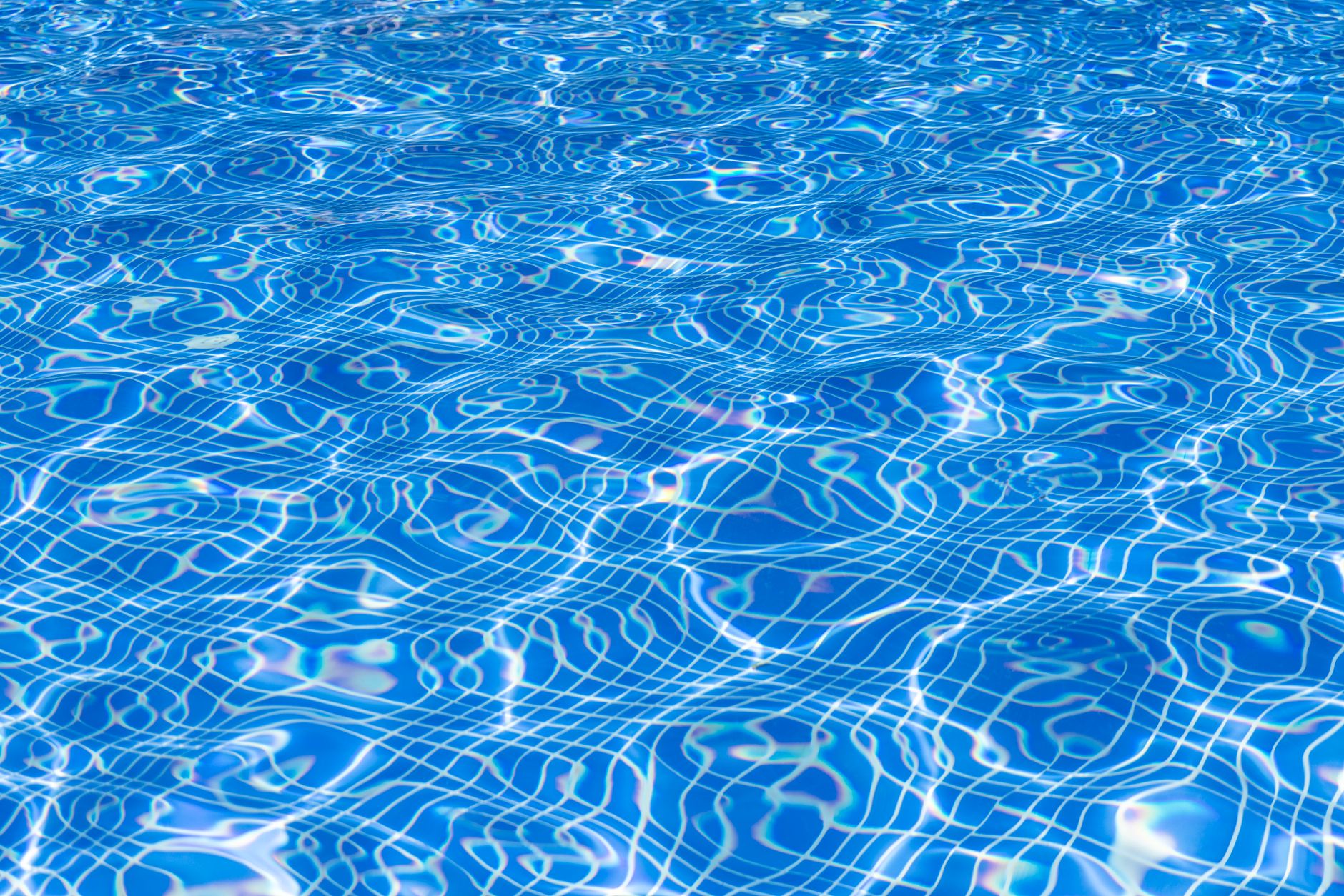
The result is a surface that is dramatically harder, more chemically resistant, and visually richer than plaster. The small pebbles and minerals give the water a depth and color that flat plaster simply cannot replicate. A pool with a blue or teal pebble finish looks like a piece of the Caribbean sitting in your backyard.
For Nocatee homeowners specifically, pebble finishes offer a practical advantage beyond aesthetics. Northeast Florida's groundwater and municipal water supplies tend toward higher calcium hardness and mineral content. According to the Jacksonville Electric Authority, local water quality varies by zone, and mineral scaling is a common issue for pool owners in the region. Pebble surfaces handle calcium scaling and mineral deposits far better than smooth plaster, which stains easily and requires aggressive acid washing that accelerates surface degradation.
How the Plaster to Pebble Conversion Process Works
Understanding the conversion process helps you make better decisions, ask smarter questions, and know whether a contractor is cutting corners. Here is a step-by-step breakdown of how a legitimate pool resurfacing project should unfold.
Step 1: Drain and Inspection
The pool is fully drained, which in Florida requires careful attention to groundwater levels. If there is significant hydrostatic pressure under the shell, draining improperly can cause the shell to crack or even pop out of the ground. A qualified contractor will assess conditions before pumping down.
Step 2: Chipping and Surface Prep
The old plaster is chipped off using pneumatic chisels and grinders. This is the loudest and most labor-intensive part of the project. The goal is to remove all existing plaster down to the gunite or shotcrete shell so the new finish bonds directly to the structural surface. Any cracks in the shell are repaired at this stage.
Step 3: Bond Coat Application
A bond coat is applied to the bare shell. This is a critical step that many lower-end contractors skip or rush. The bond coat ensures the new aggregate finish has a chemically compatible surface to adhere to. Skipping it or allowing it to dry too long before applying the finish coat is a leading cause of delamination failures.
Step 4: Pebble Finish Application
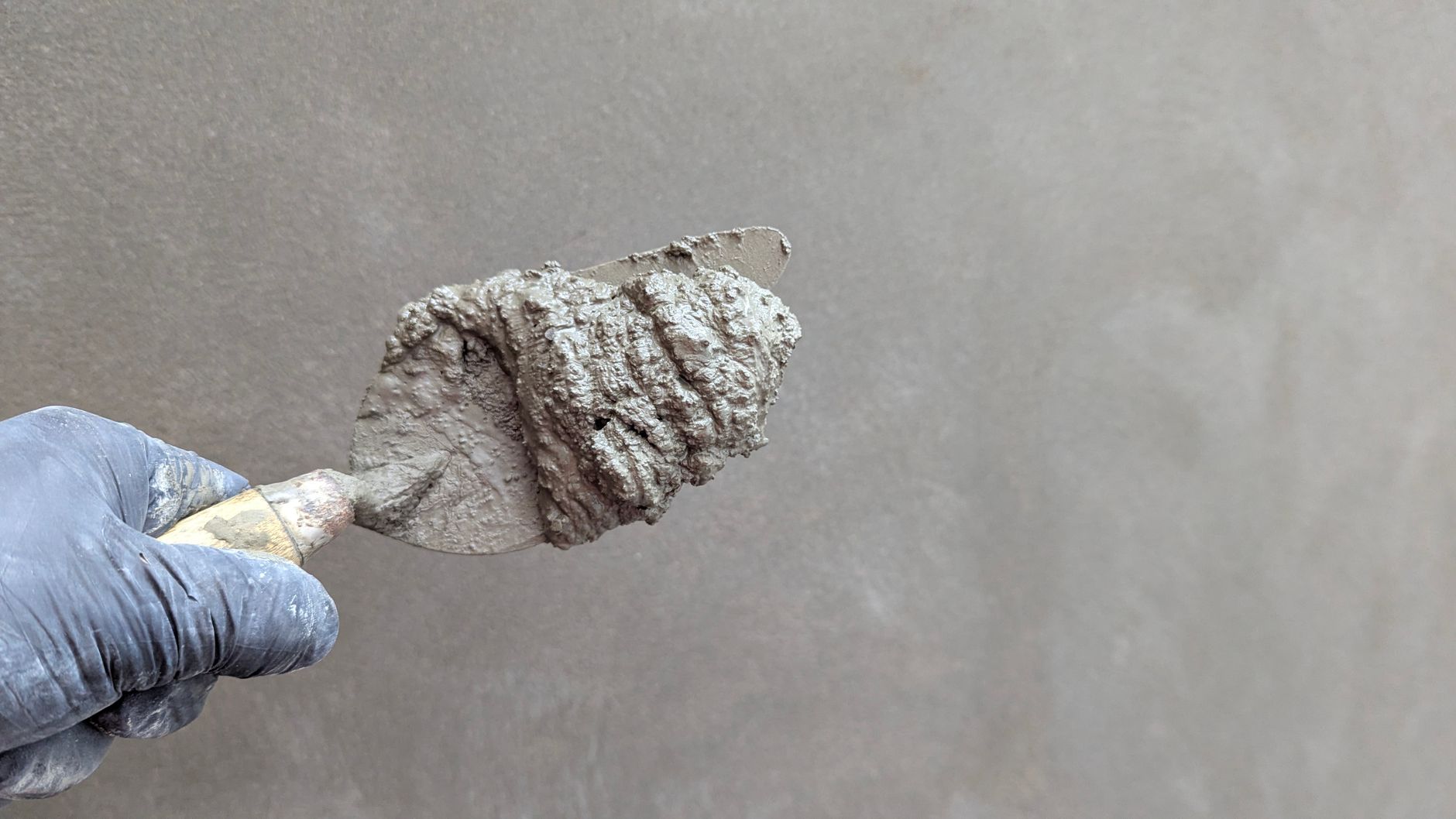
The pebble mix is applied in layers by hand by a crew of experienced finishers. This is skilled work. The aggregate must be applied at a consistent thickness, worked carefully around steps, benches, and returns, and troweled to expose the pebble faces without over-smoothing. Crews typically start at one end and work continuously to avoid visible seam lines.
Step 5: Acid Wash and Bead Exposure
After the surface cures, a diluted acid wash is applied to remove the cement haze from the surface and expose the individual pebble faces. This is what gives the finish its texture and color depth. The EPA's Safer Choice program recommends proper neutralization and disposal of acid wash runoff to protect local waterways, something a licensed contractor should handle correctly.
Step 6: Fill and Startup Chemistry
The pool is refilled and a startup chemical process begins immediately. For the first 28 days, the new surface is curing. Water chemistry during this period is critical. Improper startup chemistry, particularly low pH or high calcium hardness, can permanently stain or etch a brand new pebble surface before it's even had its first swim.
The full timeline from drain to swim-ready is typically 7 to 14 days depending on pool size, weather, and how quickly the contractor can schedule crews. Jacksonville's summer heat actually helps cure times, but the high humidity can extend drying windows if conditions are unfavorable.
If you want to learn more about ongoing surface care after your remodel, our Weekly Pool Cleaning service is specifically structured to protect new finishes during and after the startup period.
Common Mistakes Jacksonville Homeowners Make
After completing thousands of jobs across the Jacksonville area, our team has seen the same avoidable mistakes come up again and again. Here are the ones that cost homeowners the most money and frustration.
Mistake 1: Choosing a Contractor Based on Price Alone
Pool resurfacing is a skilled trade. A crew that rushes the bond coat, applies the finish unevenly, or skips proper surface prep will leave you with a finish that peels, cracks, or develops hollow spots within a few years. The cheapest bid in Nocatee is rarely the best value. Ask contractors specifically how they handle bond coat application and what their startup chemistry protocol looks like. Vague answers are a warning sign.
Mistake 2: Skipping the Crack Repair Phase
Some homeowners try to save money by skipping crack repairs and going straight to resurfacing. Cracks in the gunite shell will telegraph through any new finish within months, especially in Florida where pool shells experience constant thermal expansion. Structural cracks must be properly routed, filled, and bridged before any new finish goes on.
Mistake 3: Neglecting Startup Chemistry
The first 28 days after a new pebble finish is applied are the most critical of the surface's entire life. Many homeowners either don't brush the surface daily as required during startup or allow their water chemistry to drift. High calcium hardness or low pH during curing can cause permanent white scaling or etching that voids manufacturer warranties. The Association of Pool and Spa Professionals recommends daily brushing for at least the first two weeks after a new plaster or aggregate finish is applied.
Mistake 4: Choosing a Finish Color Without Seeing a Water Sample
Pebble finish colors look dramatically different in a showroom chip versus underwater in a filled pool. A dark charcoal finish can look stunning in a brochure but make your pool look like a cave when filled. Always ask your contractor for photos of completed pools with that specific finish color, and ideally visit one in person before committing.
Mistake 5: Not Pulling the Required Permits
Pool resurfacing in Jacksonville and St. Johns County requires permits in most cases. The Florida Building Commission sets the baseline code requirements, but local municipalities can layer additional rules on top. Contractors who offer to skip permits are saving themselves paperwork at your expense. An unpermitted remodel can create problems when you sell your home and may void your homeowner's insurance coverage for pool-related claims.
DIY vs. Hiring a Professional in Jacksonville
Let's be direct about this one. Pool resurfacing is not a DIY project. Full stop.
The application of aggregate finishes requires specialized pneumatic chipping equipment, commercial-grade mixing equipment, acid washing supplies, and a trained crew that works in synchronized fashion to avoid seam lines in the finish. Unlike painting a fence or replacing a light fixture, there is no reasonable path for a motivated homeowner to produce a professional result here.
Where you can genuinely DIY is in the before and after phases. Brushing the surface during startup, monitoring daily water chemistry, and keeping your filter clean are all things you can manage yourself to protect your investment. Our Pool Filter Cleaning service can help you stay on top of that if you'd rather not handle it yourself.
When evaluating professionals, look for contractors who carry a Florida Certified Pool Contractor license (CPC or CPO), show proof of liability insurance and workers comp, and can provide references from completed pebble finish jobs in Nocatee or nearby St. Johns communities. Ask specifically who will be applying the finish. Some larger contractors subcontract the actual application crew, which can create accountability gaps if something goes wrong.
Clean & Clear Pools has built a 5.0-star Google rating across 135 verified reviews and thousands of completed jobs in the Jacksonville area by being consistent, showing up as scheduled, and standing behind our work. That kind of track record matters when you're making a $12,000 to $18,000 decision.
For more information about what to look for in a local pool service company, visit our About Us page or check our Pool Service FAQs for answers to common questions.
What to Expect: Cost Breakdown for Jacksonville
Pool resurfacing costs vary based on pool size, existing surface condition, finish grade selected, and any additional repairs uncovered during prep. Here is a realistic breakdown for the Northeast Florida market.
Standard Pool (12x24 to 15x30 feet)
Basic pebble aggregate finish: $8,000 to $12,000
Mid-grade Pebble Sheen or similar: $11,000 to $15,000
Premium glass bead or designer aggregate: $14,000 to $20,000
Larger Pools (16x32 and above)
Add approximately $1,500 to $3,000 to the above ranges based on square footage.
Additional Cost Factors
Crack repair: $500 to $2,500 depending on number and severity
Tile replacement (waterline tile): $1,500 to $4,000
Coping replacement: $3,000 to $8,000
Light niche replacement: $300 to $600 per light
Most Nocatee homeowners bundle waterline tile replacement with a pebble resurfacing project since the tile is already exposed during the drain-down and the aesthetic improvement is significant. It rarely makes financial sense to resurface and keep dated tile.
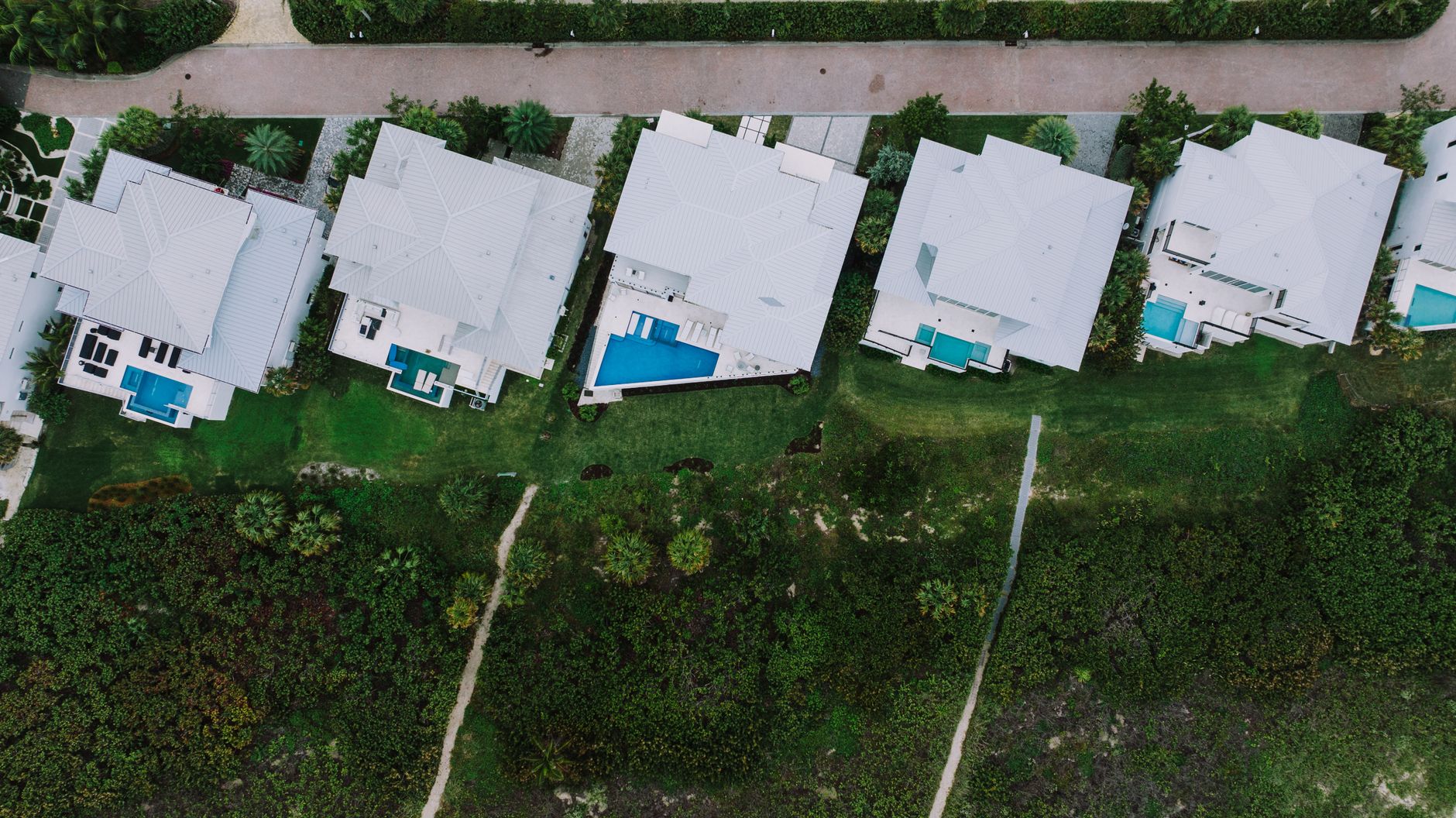
From a home value perspective, a freshly resurfaced pool in good condition adds meaningful appeal in the Nocatee real estate market, where outdoor living spaces are a genuine selling point. The National Association of Home Builders consistently reports that outdoor amenities, including pools, rank among the most desired features for move-up homebuyers in suburban markets. A pool with deteriorating plaster can actually suppress offers or trigger buyer requests for price concessions during inspection.
Think of the investment this way: a pebble finish that lasts 20 years costs you roughly $500 to $900 per year in surface depreciation. Replastering every 8 years at $4,000 to $6,000 costs a similar amount but gives you a lesser surface each time.
Pro Tips from Our Jacksonville Team
These are the practical, experience-based recommendations our crews and service technicians share with Nocatee and Jacksonville homeowners before and after a pebble finish conversion.
Tip 1: Time Your Project for Fall or Early Spring
The ideal window for pool resurfacing in Northeast Florida is October through March. Demand is lower, which means contractors are more available and sometimes more competitive on pricing. More importantly, cooler temperatures reduce the risk of the finish drying too fast during application, which can cause surface checking (small surface cracks). Summer heat in Nocatee can push application conditions to the edge of acceptable.
Tip 2: Test Your Source Water Before Filling
Before you refill a freshly resurfaced pool, get your fill water tested. In some Nocatee neighborhoods, the calcium hardness in municipal water is high enough that you'll need to treat the water before or during fill to avoid calcium scaling on the new surface. Adding a sequestering agent during the fill is inexpensive insurance against a costly startup problem.
Tip 3: Brush Every Day for 28 Days, No Exceptions
Brush the entire surface of your pool with a new nylon brush (not a steel brush, which scratches pebble finishes) every single day for the first four weeks. This removes calcium dust that naturally leaches from new cement-based finishes and prevents it from settling as scale. Skipping days during this period is the single most common cause of white calcium deposits on new pebble surfaces.
Tip 4: Don't Let Your Phosphate Levels Spike Post-Startup
Nocatee's landscape irrigation systems, which feed beautifully manicured lawns and gardens, introduce significant phosphate runoff into pools after rain events. Phosphates feed algae, and a new pebble surface with slightly unbalanced chemistry during startup is vulnerable. Test for phosphates in the first month and treat proactively if levels rise above 100 ppb.
Tip 5: Match Your Finish to Your Screen Enclosure Situation
Pools under screen enclosures get less direct debris but also less natural dilution from rain. Pools open to the sky in Nocatee's stormwater-heavy summer season get different chemistry challenges. Open-sky pools benefit from slightly darker finishes that hide seasonal tannin staining from nearby oak pollen and organic debris. Discuss your enclosure situation with your contractor before finalizing your color choice.
Tip 6: Set Up Ongoing Professional Maintenance Before the Project Ends
The first 90 days after a new pebble finish is applied are critical for long-term surface performance. Having a professional pool service locked in before your crew packs up ensures chemistry stays tight during curing. Our team provides Pool Service in Nocatee, FL tailored to the specific water chemistry and environmental conditions in that community. We also serve neighbors in Mandarin, Jacksonville and Southside Jacksonville with the same level of care.
Frequently Asked Questions
How long does a pebble pool finish last compared to standard plaster in Florida?
Standard white plaster in Northeast Florida typically lasts 7 to 10 years before it begins showing significant deterioration including roughness, staining, and surface porosity. Pebble aggregate finishes, by contrast, are rated to last 15 to 25 years under normal conditions. Florida's UV intensity, high bather loads due to the extended swim season, and mineral-heavy water supply all accelerate surface wear, which is why the durability gap between plaster and pebble is even more pronounced here than in northern climates. Jacksonville pools are in active use for 10 or more months annually, so your surface is under load far longer each year than a pool in, say, Ohio. Investing in a longer-lasting finish pays off more quickly when your pool is running almost year-round. The Florida Department of Health also notes that properly maintained pool surfaces contribute to safer water quality, as degraded plaster can harbor bacteria in its porous surface.
Do I need a permit to resurface my pool in Nocatee or St. Johns County?
In most cases, yes. St. Johns County and the City of Jacksonville require permits for pool resurfacing projects, particularly when structural repairs are involved or the scope of work affects the pool shell. The specific requirements depend on whether your work is purely cosmetic or involves crack repair, tile replacement, or equipment changes. Any licensed contractor operating legally in the area should be familiar with local permitting requirements and should pull the permit on your behalf as part of the project. Be cautious of any contractor who suggests skipping permits to save time or money. An unpermitted project can cause complications during home sales and may affect insurance claims. Check with the City of Jacksonville's permitting office or your St. Johns County building department if you have specific questions about your property.
How much does it cost to convert a pool from plaster to pebble finish in Nocatee?
For a typical residential pool in Nocatee ranging from 400 to 600 square feet of surface area, expect to pay between $10,000 and $18,000 for a complete plaster-to-pebble conversion including surface prep, crack repairs, and finish application. Entry-level aggregate finishes start around $8,000 for smaller pools, while premium glass bead or designer aggregate finishes on larger pools can reach $20,000 or more. Additional work like waterline tile replacement, coping repair, or equipment upgrades will add to the total. These ranges reflect the Northeast Florida market as of recent project completions and account for the skilled labor shortage in pool trades that has pushed pricing up industry-wide. Get at least three written bids from licensed contractors and compare them line by line, not just as a total number.
How long will I be without my pool during the resurfacing project?
The total out-of-service window for a plaster-to-pebble conversion is typically 7 to 14 days from the time the pool is drained to the day you can safely swim. The actual application work takes 2 to 4 days depending on crew size and pool complexity. After application, the surface must cure before acid washing, and the pool must then be filled and balanced before swimming is permitted. In Florida's warmer months, cure times can be slightly faster, but startup chemistry management extends the timeline regardless of season. Plan your project for a time when you can tolerate two weeks without pool access. For families with children who use the pool daily in summer, fall and early winter projects are often the most practical choice.
What are the warning signs that my plaster pool needs to be resurfaced?
The most obvious warning signs are surface roughness that scratches feet or snags swimwear, visible staining that doesn't respond to brushing or chemical treatment, and rough pitting or crazing (a network of fine surface cracks) across the floor and walls. You may also notice that your pool is consuming unusually high amounts of chemicals, which can indicate that the porous surface is absorbing and binding chlorine. Gray or black staining that brushes off but quickly returns is often a sign of algae colonizing the micro-porous surface of failing plaster. Any visible hollow spots or delamination, where the plaster sounds hollow when tapped, indicate that the surface has separated from the shell and needs immediate attention. If your plaster is 8 or more years old and you're seeing two or more of these signs, a resurfacing consultation is worthwhile.
Can I choose any color for my pebble finish, and how do I decide?
Pebble finish manufacturers offer dozens of color options ranging from natural river stone beiges and grays to vivid blues, teals, and even midnight black. The color of the aggregate determines the color the water appears when the pool is full. Lighter finishes like natural whites and pale blues create a tropical turquoise water color. Darker finishes like midnight blue or charcoal create a deeper, more dramatic water appearance but can make the pool feel smaller visually. Ask your contractor for in-person photos or site visits to completed pools using the finish you're considering. Brochure colors and water colors are often dramatically different. For Nocatee's bright Florida sunshine, medium blue and teal aggregates tend to produce the most appealing water color throughout the day. Avoid making your final decision based solely on a small chip sample held in a showroom.
How do I maintain a new pebble finish pool to maximize its lifespan?
The most important maintenance habits for a pebble finish pool are consistent water chemistry, regular brushing, and phosphate control. Keep your pH between 7.4 and 7.6, your alkalinity between 80 and 120 ppm, and your calcium hardness between 200 and 400 ppm. Calcium hardness outside this range, particularly on the low side, causes the water to pull calcium from the finish surface, creating a condition called etching that permanently damages the aggregate. Brush the entire pool surface at least once a week with a nylon brush to prevent algae from establishing on the textured surface. Schedule regular professional filter cleaning to keep water circulation efficient, and test for phosphates monthly, especially during Nocatee's summer rainy season when irrigation runoff enters pools. Our Pool Filter Cleaning service keeps your filtration system working efficiently to protect your finish investment.
How do I find a reputable pool resurfacing contractor in the Jacksonville area?
Start by verifying that any contractor you consider holds a valid Florida Certified Pool Contractor license, which you can look up on the Florida Department of Business and Professional Regulation website. Ask for proof of general liability insurance and workers compensation coverage before anyone steps on your property. Request references from at least three pebble finish projects completed in the last two years, and ideally ask to see one in person or get contact information to speak with past customers. Look for companies with documented local reviews, not just testimonials on their own website. A pattern of verified Google reviews over multiple years tells a more reliable story than a handful of quotes. Ask specific technical questions about their bond coat process, startup chemistry protocol, and warranty terms. Contractors who can answer these questions clearly and confidently are generally more trustworthy than those who give vague or defensive responses.
Ready to Get Started?
If your Nocatee pool has plaster that's past its prime, there is no better time to make the upgrade to a pebble finish. A properly done conversion transforms the look, feel, and longevity of your pool and protects the investment you've made in your outdoor living space.
Clean & Clear Pools is a 5.0-star rated pool service company based in Jacksonville, FL with 135 verified Google reviews and thousands of completed jobs across the area. We serve homeowners in Nocatee, Ponte Vedra Beach, Mandarin, St. Johns, Southside Jacksonville, and surrounding communities with honest assessments, quality work, and real accountability.
We also provide ongoing pool care throughout Northeast Florida. Whether you're in Jacksonville Beach or Atlantic Beach, our team is close by and ready to help.
Call us at (904) 747-8788 to talk through your project, or Request a Free Estimate and we'll get back to you promptly. Our address is 7643 Gate Parkway, Suite 104-1230, Jacksonville, FL 32256. We're proud to serve Jacksonville, Ponte Vedra Beach, Mandarin, Nocatee, and St. Johns with the kind of service that earns five-star reviews.