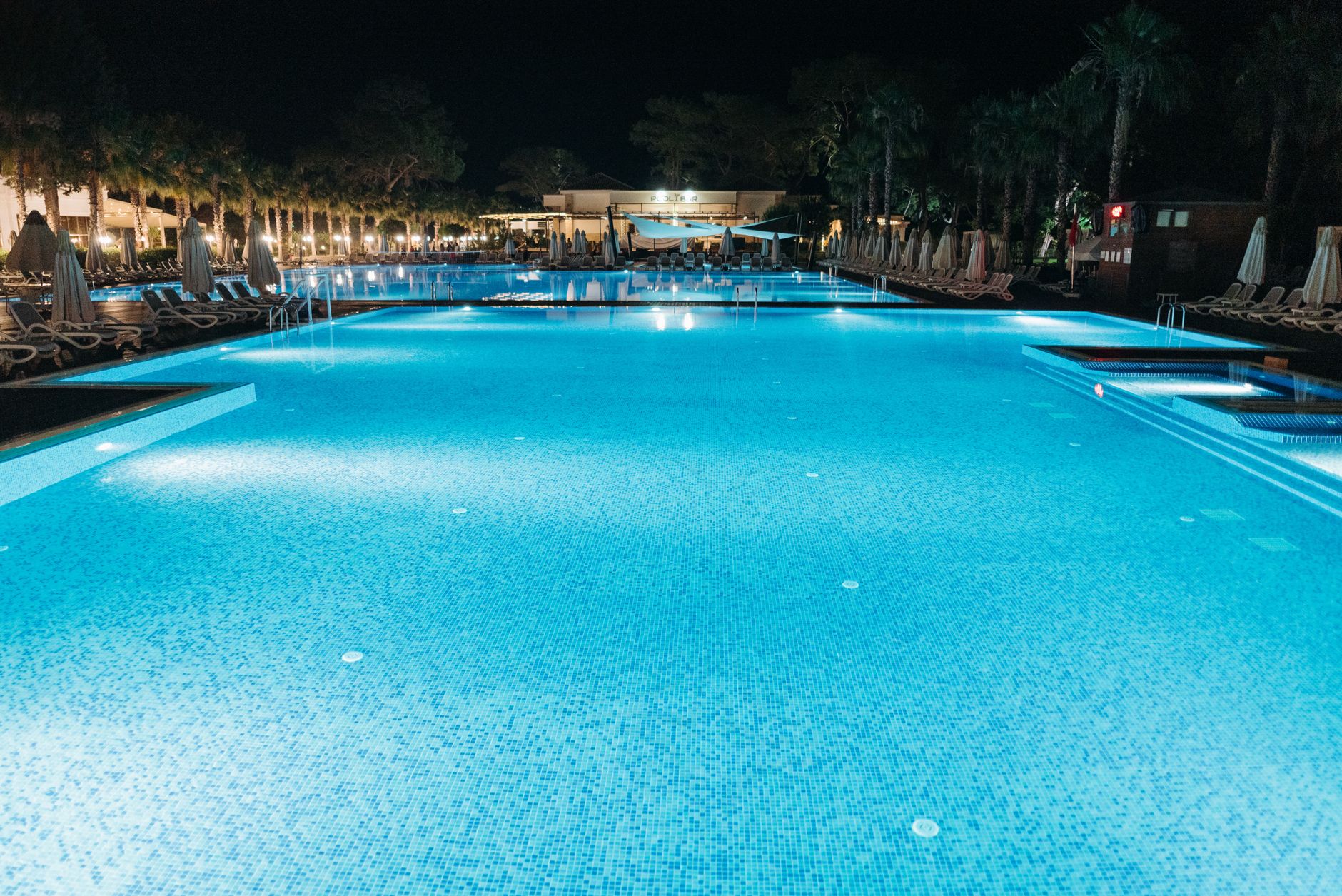
A pool light is an essential component for both safety and evening aesthetics, typically lasting several years if maintained correctly. When a fixture stops working, the issue often stems from a simple bulb failure, a tripped GFCI breaker, or moisture intrusion within the housing unit.
Regular attention to your underwater lighting ensures your swimming area remains visible and secure during night hours. If your light remains dim or fails to turn on, assessing the power supply and checking for water leaks are the primary steps to restoring function.
Get Started TodayCommon Reasons Your Pool Light Fails
Understanding why a light stops working is the first step toward a fix. Most failures are not complex, but they do require a cautious approach due to the presence of electricity near water.
The Role of the GFCI Breaker
The Ground Fault Circuit Interrupter (GFCI) is a vital safety device. If it trips, it will cut power to your light immediately to prevent shock hazards. Often, moisture in the light housing or an aging transformer causes this circuit to trip. Always check your breaker panel before assuming the bulb has burned out.
Moisture Intrusion and Seal Integrity
If you see water inside the glass lens of your light, the gasket seal has failed. Water conducts electricity and can corrode internal contacts quickly. If you identify condensation or actual water inside, do not attempt to replace the bulb until you have dried the fixture and replaced the damaged seal. Neglecting this leads to short circuits and permanent damage to the lighting unit.
Bulb Lifespan and Type
Incandescent bulbs have a shorter lifespan compared to modern LED alternatives. If you are using an older style, it is likely that the filament has simply broken. Replacing an old incandescent unit with a modern LED bulb provides better efficiency and a longer service life, which reduces the frequency of future maintenance needs.
Essential Steps for Pool Light Repair
Handling light repairs requires specific tools and attention to detail. Before touching the fixture, make sure the power is cut at the breaker. Working on pool equipment without isolating the power is extremely dangerous.
Safe Removal of the Fixture
Most pool lights are held in place by a single screw at the top of the niche. Once removed, you can lift the housing out of the wall and place it on the pool deck, supported by the cord. Never cut the cord, as you will need the full length to pull the housing out sufficiently.
Replacing Gaskets and Bulbs
After opening the light housing, clean the surfaces where the lens meets the body. Old gaskets often dry out and crack, which is the primary cause of leaks. Use a silicone-based lubricant on the new gasket to create a watertight seal. When installing the new bulb, make sure it is seated firmly without overtightening the housing screws.
| Common Issue | Likely Cause | Repair Strategy |
|---|---|---|
| Light won't turn on | Tripped GFCI | Reset the breaker |
| Dim light | Old bulb | Replace with LED |
| Water in lens | Worn gasket | Install new gasket/seal |
| Flickering | Loose connection | Check wiring at junction box |
We invite you to reach out for professional support if you encounter recurring issues or persistent leaks. Our team provides expert pool repairs to make sure your equipment operates reliably.
Improving Safety with Modern Pool Lighting
Upgrading your lighting system is not just about aesthetics; it is about visibility. A well-lit pool reduces the risk of accidents during late-night use and adds a layer of security to your outdoor space.
Transitioning to LED Technology
LED bulbs consume significantly less energy than incandescent models and last for years longer. Many modern LEDs also offer color-changing features that can be controlled via a smartphone app. Making the switch reduces the strain on your electrical system and minimizes the need for frequent bulb changes.
Enhancing Visibility in Commercial Pools
For facility owners, maintaining lighting in commercial pools is a legal safety requirement. Dim or broken lights can lead to liability concerns and potential closure by local authorities. Consistent monitoring and preventive maintenance are necessary to meet safety codes and make sure the comfort of your guests.
The Importance of Professional Pool Maintenance
Proper care of your aquatic space involves more than just keeping the water clear. Routine inspections of your equipment, including your lighting, help prevent costly repairs down the line.
Connecting Lighting to General Maintenance
Regular pool maintenance includes checking for pool leaks and verifying that all electronic components are free of corrosion. By bundling light checks with your standard service, you make sure that every part of your pool is functioning as intended. Consistent care extends the life of your equipment and prevents minor issues from escalating.
When to Call the Pros
If you have reset the breaker and replaced the bulb, but the light still fails, there may be an issue with the wiring or the transformer. These components are best handled by specialists who have the experience to test voltage safely. In Jacksonville, many pool owners rely on specialists to manage these complex repairs so they can spend more time enjoying their backyard.
Frequently Asked Questions
Why does my pool light keep tripping the breaker?
A tripping GFCI breaker usually indicates a ground fault caused by water entering the light housing. Inspect the lens gasket for cracks or debris, as even a small amount of moisture can trigger the safety mechanism. If the gasket is intact, have a specialist check the electrical junction box for signs of moisture or frayed wiring.
Can I replace my pool light bulb while the water is still in the pool?
Yes, you can replace the bulb without draining the pool. Most pool lights are designed to be removed from the wall and pulled up onto the pool deck while the cord remains attached. Make sure the power is completely off at the circuit breaker before you begin the removal process.
How long do pool light bulbs typically last?
Traditional incandescent bulbs often last between 500 and 1,000 hours, whereas LED bulbs can last up to 50,000 hours. Factors such as the quality of the seal and the frequency of use will impact the actual lifespan. Proper maintenance of the gasket is the most important factor in preventing premature failure.
What should I do if I see water inside the light lens?
Immediately turn off the power at the breaker to prevent a short circuit. Remove the fixture from the pool, open the housing, and remove the water. Allow the fixture to dry completely, replace the gasket, and use a new bulb. If the fixture itself is cracked, you will need to replace the entire assembly.
Is it necessary to replace the whole light assembly when upgrading to LED?
In many cases, you can simply replace the existing bulb with an LED equivalent that fits your current fixture. However, if the housing is corroded or the seal cannot be guaranteed, installing a new, complete LED assembly is a better long-term choice. Consult with a specialist to determine the best fit for your specific model.
Start Your Repair Assistance Today, No Hidden FeesEffective care of your pool light is a small but critical part of your home maintenance routine. Whether you are dealing with a flickering bulb or an older system in need of an LED upgrade, staying proactive will keep your pool inviting and safe. Our team is ready to provide the professional support you need for all your equipment care, from general upkeep to complex electrical repairs.