Quick Answer: Pool plaster resurfacing in Jacksonville, FL typically costs between $4,500 and $15,000+ depending on pool size, finish type, and surface condition. A standard 12x24 ft pool runs roughly $4,500 to $6,500 for basic white plaster, while larger pools or premium finishes like pebble or quartz aggregate can reach $10,000 to $15,000 or more. Local labor costs, Florida's humid climate, and the condition of your existing plaster all affect the final number.
Key Takeaways
- Jacksonville pool plaster resurfacing costs range from $4,500 to $15,000+ based on pool size and finish type.
- Florida's year-round swim season and intense UV exposure accelerate plaster wear, making resurfacing every 10 to 15 years a realistic expectation.
- Basic white plaster is the most affordable option; quartz aggregate and pebble finishes cost more but last significantly longer.
- Hiring a licensed, insured pool contractor in Jacksonville is strongly recommended over DIY for plaster work.
- Catching plaster problems early saves money. Waiting until structural damage sets in can double or triple your repair bill.
Your pool is one of the biggest investments on your Jacksonville property. Whether you live in Ponte Vedra Beach, Nocatee, or Mandarin, chances are your pool gets serious use for ten or more months out of the year. Jacksonville averages 233 sunny days annually, and summer water temperatures routinely climb above 85 degrees, meaning families here rely on their pools far more than homeowners in most other parts of the country.
All that use takes a toll. Pool plaster, the interior finish that seals your shell and gives the water that inviting blue-white color, does not last forever. When it starts to fail, you will notice it quickly. Rough surfaces, staining that won't brush away, visible cracks, and water loss are all signs that a resurfacing project is on the horizon. Understanding what that project costs, and why, helps you plan ahead and avoid being caught off guard.
This guide breaks down pool plaster resurfacing costs in Jacksonville by pool size, explains the different finish options, and gives you the real-world information you need to make a smart, confident decision for your home.

What Pool Plaster Resurfacing Actually Is
Pool plaster resurfacing is the process of draining your pool completely, chipping away or preparing the existing interior surface, and applying a new finish coat to the shell. It is not a patch job or a cosmetic touch-up. It is a full renovation of your pool's interior waterproofing layer.
The most traditional material is white Portland cement plaster, often called "marcite" in the Florida pool industry. Over time, pool builders and homeowners have moved toward upgraded finishes that blend cement with quartz, glass beads, or pebble aggregates. These materials cost more upfront but deliver a harder, longer-lasting, and more visually striking surface.
The Association of Pool and Spa Professionals recognizes several interior finish categories, and each comes with its own lifespan, maintenance requirements, and price point. Understanding which category fits your goals is the first step toward budgeting accurately.
Here is a quick overview of the main finish types used in Jacksonville pools:
- White plaster (marcite): Classic, affordable, and widely available. Lifespan of 7 to 12 years in Florida's conditions. Best for budget-conscious homeowners who plan to resurface again in a decade.
- Quartz aggregate: A blended finish that mixes silica quartz with plaster. Significantly harder and more stain-resistant. Lifespan of 12 to 20 years. A popular mid-range choice for Jacksonville families.
- Pebble or stone aggregate: The premium option. Small river pebbles, glass beads, or crushed stone are broadcast into the plaster surface. Extremely durable, beautiful, and long-lasting. Lifespan of 20 to 25+ years. Higher upfront cost, lower long-term cost per year.
- Colored plaster: Standard marcite tinted with pigment. Slightly more expensive than white plaster but adds a visual upgrade. Colors tend to fade faster than aggregate finishes under Florida sun.
One thing Jacksonville homeowners should understand: Florida's combination of UV intensity, warm temperatures, and high bather load creates conditions that age plaster faster than in northern climates. A finish that lasts 15 years in Ohio might need attention after 10 to 12 years here. That is not a flaw in the product. It is simply the reality of owning a pool in Northeast Florida.
Pool Plaster Resurfacing Cost in Jacksonville by Pool Size
Pool size is the single biggest driver of resurfacing cost. Contractors price plaster work by the square foot of interior surface area, not by gallons or linear dimensions. That means depth matters too, since a deeper pool has significantly more surface area than a shallow one with identical footprint dimensions.
Here are realistic price ranges for Jacksonville homeowners based on common pool sizes:
Small Pools (up to 12x24 ft, approximately 400-500 sq ft of surface)
White plaster: $4,500 to $6,000. Quartz aggregate: $6,000 to $8,500. Pebble finish: $8,500 to $11,000.
Small pools are common in older Southside Jacksonville neighborhoods and some townhome communities. If you are looking for Pool Service in Southside Jacksonville, this is a size range we work with frequently.
Medium Pools (14x28 to 16x32 ft, approximately 600-750 sq ft of surface)
White plaster: $5,500 to $7,500. Quartz aggregate: $7,500 to $10,500. Pebble finish: $10,500 to $13,500.
This is the most common pool size in Jacksonville's established neighborhoods. Mandarin and Julington Creek homes built in the 1990s and early 2000s frequently feature pools in this range. Our team handles many resurfacing projects for Pool Service in Mandarin, Jacksonville homeowners at this size.
Large Pools (18x36 to 20x40 ft, approximately 900-1,200 sq ft of surface)
White plaster: $7,000 to $10,000. Quartz aggregate: $10,000 to $13,500. Pebble finish: $13,500 to $17,000+.
Larger pools are typical in Nocatee, St. Johns, and Ponte Vedra Beach properties where lot sizes allow for more generous backyard designs. These pools benefit especially from premium finishes because the cost-per-year advantage of a 25-year pebble finish compounds more significantly over time.
Custom or Freeform Pools (irregular shapes, water features, tanning ledges)
Add 15 to 30 percent over the standard square footage estimate. Freeform shapes require more hand work and waste more material. Tanning ledges, spas, and grottos are priced separately and add $500 to $2,500 each depending on complexity.
Factors That Adjust the Price Up or Down
- Existing surface condition: Heavy scaling, delamination, or structural cracks require prep work before new plaster goes on. This can add $500 to $2,500 to the total.
- Tile repair or replacement: Waterline tile is often replaced during a resurfacing project. Expect $800 to $2,500 for standard replacement, more for custom tile.
- Drain and fitting replacement: Florida building codes require compliant drain covers per the Virginia Graeme Baker Pool and Spa Safety Act. Many contractors build this into resurfacing quotes, but confirm it upfront.
- Equipment access: Difficult access to drain the pool or transport plaster materials can add labor time and cost.
- Time of year: Spring and fall tend to book fast in Jacksonville. Scheduling flexibility in winter months can sometimes result in better pricing.
Common Mistakes Jacksonville Homeowners Make
1. Waiting Too Long to Address Early Warning Signs
Rough plaster that scratches feet and legs is uncomfortable, but it is also a warning. When plaster becomes porous and irregular, it harbors algae, resists chemicals, and accelerates deterioration. Homeowners who ignore rough spots for two or three seasons often end up with surface delamination or exposed shell that costs significantly more to repair. If your plaster feels like sandpaper, it is time to get a professional evaluation, not another bag of algae treatment.
2. Choosing the Cheapest Bid Without Asking Why
Jacksonville has a healthy pool industry, and bids can vary widely. When one contractor quotes $4,800 and another quotes $7,200 for the same pool, the lower number is tempting. But low bids often cut corners on prep work, material quality, or the curing process. Improperly prepped plaster fails early, and when it does, you are paying twice. Always ask what the prep process involves, what brand and mix of plaster they use, and what their warranty covers.
3. Neglecting Water Chemistry After Resurfacing
Fresh plaster is chemically active for the first 28 to 30 days after application. During this curing period, pool chemistry must be carefully managed to prevent staining, etching, and surface irregularities. Many homeowners do not understand this, and they resume their normal chemical routine too quickly. The EPA's safer chemical guidelines and your contractor's specific startup instructions should both be followed closely. A good contractor will walk you through the startup protocol. If they do not offer one, that is a red flag.
4. Ignoring the Waterline Tile
The waterline tile ring around the interior of your pool takes a beating from mineral deposits, UV exposure, and constant wet-dry cycling. Many homeowners resurface the plaster and leave the existing tile, only to find the tile starts popping off six months later because the adhesive behind it was already failing. A resurfacing project is the best time to address tile, since the pool is already drained and the labor overlap is minimal.
5. Not Verifying Contractor Licensing and Insurance
Pool resurfacing in Florida requires a licensed contractor. The Florida Building Commission regulates pool contractor licensing, and hiring an unlicensed crew can void your homeowner's insurance, create liability exposure, and leave you with no legal recourse if the work fails. Always verify the contractor's license number through the Florida Department of Business and Professional Regulation before signing anything.
DIY vs. Hiring a Professional in Jacksonville
Honest answer: pool plaster resurfacing is not a realistic DIY project for the vast majority of homeowners. Here is why that matters, and where the line actually falls.
Plastering a pool is a skilled trade. The material is mixed in specific ratios, applied by hand under time pressure, and must be finished consistently before it sets. Done incorrectly, the surface will be uneven, prone to cracking, and will likely delaminate within a few years. The application crew typically includes a plasterer and multiple helpers working in coordinated sequence. Equipment costs for draining, prep, and mixing alone put the investment out of reach for a one-time project.
There are related tasks where a capable homeowner can add value. Removing old coping, painting concrete decking, or replacing minor tile sections are all more approachable. Some homeowners also choose to handle the post-plaster startup chemistry themselves after receiving detailed instructions from their contractor, which can eliminate one service call fee.
For the plaster application itself, hiring a licensed, experienced pool contractor is the clear choice. This is not about homeowner capability. It is about the economics and physics of the job. A professional crew with the right equipment, the right material mix, and the experience to read and react to weather and working conditions will produce a result that lasts and looks right.
Clean & Clear Pools has completed thousands of jobs across Jacksonville, and our team has seen what happens when plaster work goes wrong. We are proud of our 5.0-star Google rating based on 135 verified customer reviews, and that reputation is built on doing this work the right way from prep through startup. If you have questions about whether your pool needs resurfacing or just repairs, our Pool Equipment Repair page covers related services that may be relevant to your situation.
What to Expect: Cost Breakdown for Jacksonville
Thinking of pool resurfacing as a home improvement investment rather than a maintenance expense changes the way you evaluate it. A well-executed resurfacing project adds real value to your property, particularly in Jacksonville's active real estate market where a clean, beautiful pool is a major selling point.
According to the National Association of Home Builders, outdoor living features including pools add measurable value to residential properties in warm-climate markets. A pool with failing plaster, stained walls, and rough surfaces can actually hurt a home sale. A freshly resurfaced pool in excellent condition enhances it.
Here is a realistic breakdown of what goes into your total project cost:
- Draining and prep labor: $400 to $900. Includes draining, acid washing or chipping old surface, and cleanup before new plaster is applied.
- Plaster materials: $800 to $3,500+. Varies dramatically by finish type and pool size. Pebble aggregate materials are significantly more expensive than basic white plaster.
- Application labor: $1,500 to $4,500. Skilled plasterers in Jacksonville typically work in crews, and labor rates reflect the expertise required.
- Tile replacement (if needed): $800 to $2,500. Standard pool tile to custom ceramic or glass mosaic.
- Chemical startup kit: $150 to $400. First 30-day water chemistry management after application.
- Permits (if required): $100 to $500. Some Jacksonville-area municipalities require permits for resurfacing. Your contractor should confirm this.
Total all-in ranges for reference: Small pool with white plaster, $4,500 to $7,000. Medium pool with quartz, $8,000 to $12,000. Large pool with pebble finish, $13,000 to $18,000+. These are realistic ranges for Northeast Florida. Costs in high-demand seasons or for premium finishes will sit toward the upper end.
A quality resurfacing project protects your shell from water infiltration and chemical damage for a decade or more. That protection is worth real money compared to repairing a neglected shell that has been leaking for years. Pair your resurfaced pool with a consistent Weekly Pool Cleaning routine and the surface will serve you well for its full expected lifespan.
Pro Tips from Our Jacksonville Team
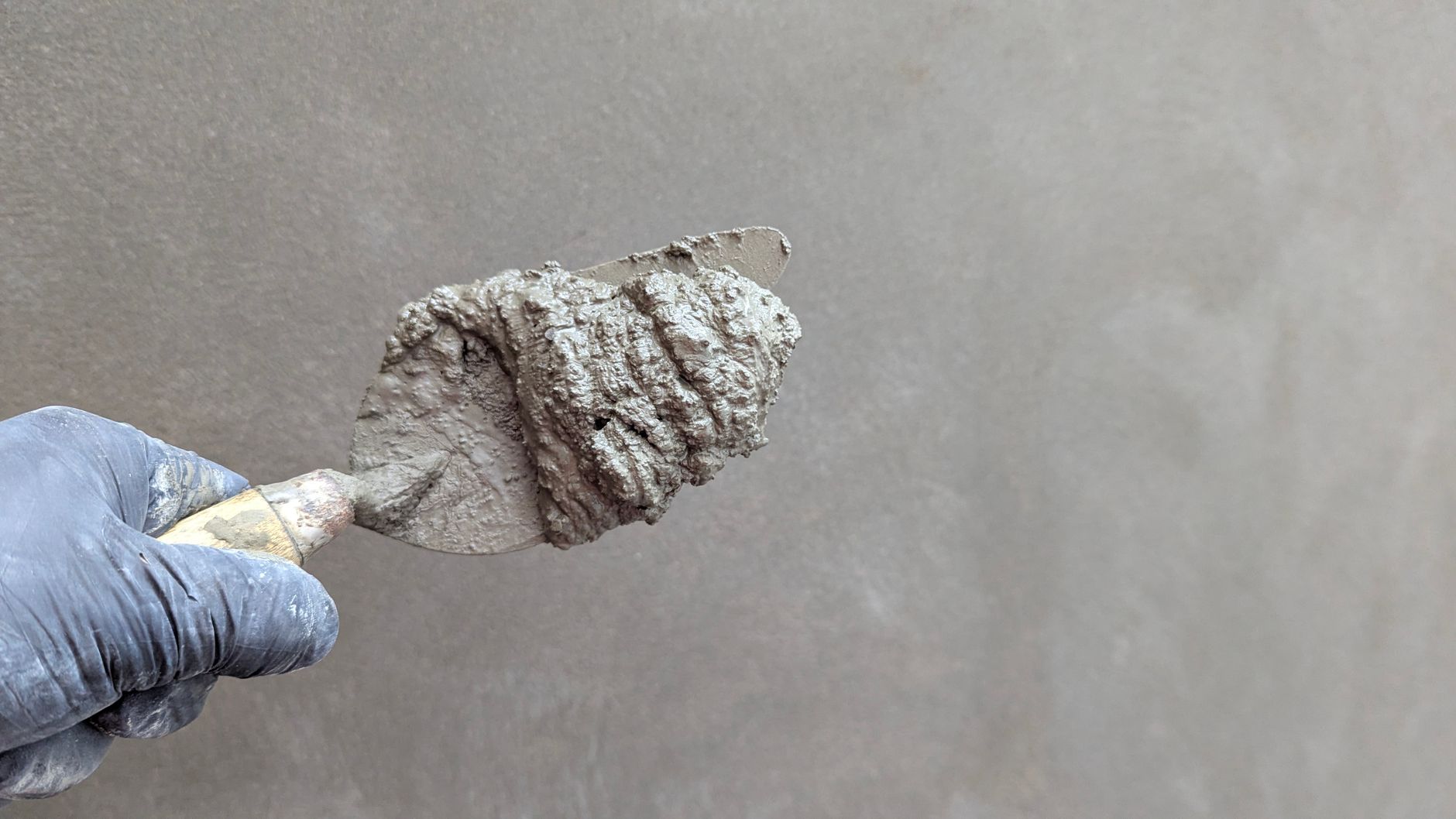
Our crew works in Jacksonville's specific conditions every week. Here is the practical knowledge we have picked up over thousands of completed projects in Northeast Florida.
Schedule in Late Winter or Early Spring
The ideal window for pool resurfacing in Jacksonville is February through April. Temperatures are mild, humidity is lower than summer peaks, and the plaster cures more predictably. You also get the pool back in service before the heavy swim season starts in May. Summer scheduling is possible but the heat and humidity can complicate the curing process, and contractor availability tightens considerably.
Understand Florida's Tap Water Chemistry Before Startup
Jacksonville municipal water supplied by Jacksonville Electric Authority is treated and generally reliable, but its chemical profile matters a lot when filling a freshly plastered pool. Our local water tends to be moderately hard, which means you need to test and balance calcium hardness, alkalinity, and pH before the pool fills completely. A professional water analysis right at startup protects your new surface from early staining or etching.
Brush the New Plaster Daily for the First Two Weeks
This one surprises many homeowners. After a new plaster application, calcium and other compounds leach out of the surface. Brushing the walls and floor daily during the first 14 days helps distribute these compounds evenly, prevents white calcium nodules called plaster dust from bonding to the surface, and accelerates the curing process. Use a nylon brush, not a wire brush, on fresh plaster.
Run the Equipment Continuously for 30 Days
Your pump and filter should run 24 hours a day during the first month after resurfacing. This keeps the water circulating and helps the curing chemistry stay balanced. Shutting the equipment down at night during this period can allow chemical stratification that discolors or etches new plaster. The electricity cost is worth it to protect your investment.
Do Not Add Chlorine Directly to a New Surface
Never place chlorine tablets directly on fresh plaster or pour liquid chlorine into the pool without diluting it first. Concentrated chlorine can bleach or etch the surface before it has fully cured. Use a floater or an inline feeder, and pre-dissolve any granular shock in a bucket of water before introducing it to the pool. Your contractor should cover this in their startup instructions, and our Pool Service FAQs cover common startup questions as well.
Consider Upgrading Filtration at the Same Time
A resurfacing project is a natural opportunity to evaluate your equipment. If your pump is more than eight years old or your filter media has not been replaced recently, addressing those items while the pool is already drained saves you a second drain-and-refill down the road. Our team can assess your equipment during the resurfacing process and flag anything that needs attention. Check out our Pool Equipment Repair services for more information.
Frequently Asked Questions
How long does pool plaster resurfacing take in Jacksonville?
The actual plaster application typically takes one day for a standard-sized pool once all prep work is complete. However, the full project timeline, including draining, surface preparation, any tile work, application, and the 30-day chemical startup period, runs four to six weeks from start to swim-ready. The pool is generally refilled within 24 hours of application and chemistry management begins immediately. Plan to be without use of your pool for at least five to seven days while the water fills and initial chemistry stabilizes.
How do I know if my pool needs resurfacing or just repairs?
Surface roughness that cannot be resolved with acid washing, widespread cracking, large areas of delamination where the plaster separates from the shell, and significant water loss despite no obvious equipment leaks are all signs that resurfacing is the appropriate solution. Isolated cracks or small pitted areas may be candidates for spot repair. A professional evaluation is the most reliable way to determine which approach makes sense. Attempting to patch a pool that truly needs resurfacing often results in money spent on temporary fixes that delay the inevitable. If you are unsure, our team is happy to assess your pool and give you an honest recommendation.
How often does pool plaster need to be replaced in Florida?
In Jacksonville and the surrounding Northeast Florida area, standard white plaster typically lasts 7 to 12 years before it needs attention. Quartz aggregate finishes generally last 12 to 20 years, and pebble finishes can last 20 to 25 years or more with proper water chemistry management. Florida's intense UV exposure, high bather loads, and warm water temperatures accelerate wear compared to cooler climates. Consistent chemical balance is the single biggest factor in extending plaster life. Pools with chronic chemistry problems can see plaster fail in five years or fewer.
What is the difference between replastering and resurfacing?
The terms are often used interchangeably in the industry, but technically resurfacing is the broader category that includes replastering as well as aggregate finishes like quartz and pebble. Replastering specifically refers to applying a new layer of white or colored cement plaster. Resurfacing can mean any new interior finish application. When talking to contractors, be specific about what finish type you want so you are comparing equivalent quotes. All options involve draining the pool, preparing the existing surface, and applying a new coating.
Can I stay in my home during a pool resurfacing project?
Yes, absolutely. Pool resurfacing is an exterior project that does not require access to the interior of your home. There will be some noise during the prep and application phases, and the crew will need access to your backyard and likely your water supply for refilling. Some of the prep chemicals have a noticeable odor, so keep windows on the pool side of the house closed on prep day if that is a concern. The project is minimally disruptive compared to interior renovations.
Does pool plaster resurfacing require a permit in Jacksonville?
Permit requirements for pool resurfacing vary depending on the scope of work and your specific municipality. In some cases, like-for-like plaster replacement does not require a permit. However, if structural repairs are involved or if your pool's drain covers do not meet current safety standards, additional work may trigger permit requirements. The City of Jacksonville's building services can clarify requirements for properties within the consolidated city limits. A licensed contractor familiar with local regulations should pull any required permits on your behalf. Never work with a contractor who suggests skipping required permits.
How do I choose the right pool resurfacing contractor in Jacksonville?
Start by verifying that any contractor you consider holds a current Florida pool contractor license, carries general liability insurance, and carries workers compensation coverage. Ask for references from recent local jobs, specifically in neighborhoods similar to yours. Get at least three written quotes that specify the finish type, brand of materials, prep process, warranty terms, and startup protocol. Be cautious of contractors who cannot provide a written warranty or who pressure you to decide immediately. The pool resurfacing industry has its share of seasonal operators who may not be around if issues arise six months later. Our About Us page provides background on Clean and Clear Pools and our approach.
What should I do to maintain my pool plaster after resurfacing?
The first 30 days are the most critical. Follow the startup protocol provided by your contractor exactly, including daily brushing, continuous equipment operation, and careful chemical management. After the curing period, the best thing you can do for your plaster is maintain consistent water chemistry year-round. Calcium hardness should stay between 200 and 400 parts per million, pH between 7.4 and 7.6, and total alkalinity between 80 and 120 parts per million. According to the Florida Department of Health, properly balanced pool water is also essential for swimmer health and safety, so good chemistry serves multiple purposes. A regular professional cleaning service helps identify chemistry imbalances before they damage your new surface.
Is it worth paying more for a pebble or quartz finish in Jacksonville?
For most Jacksonville homeowners who plan to stay in their home for ten or more years, the answer is yes. White plaster costs less upfront but typically needs replacement in seven to twelve years. A pebble finish costs more initially but can last 20 to 25 years, which means you are spreading the investment over a much longer period. On a per-year basis, pebble finishes often cost the same or less than repeatedly replastering with white plaster. They are also significantly more durable against Jacksonville's staining conditions, including tannin-rich water that can discolor white plaster relatively quickly. The visual upgrade is also a meaningful factor if you plan to sell your home.
Can resurfacing fix a leaking pool in Jacksonville?
If the leak is originating from porous or cracked plaster, resurfacing will typically resolve it. However, if the leak is coming from plumbing, fittings, or a crack in the pool shell itself, plaster resurfacing alone will not fix the underlying problem. A leak detection evaluation should be performed before committing to a resurfacing project if water loss is a concern. Addressing structural or plumbing issues before the new plaster goes on ensures you are not covering up a problem that will continue to worsen. Our team can help identify whether your water loss is a plaster issue or something that requires additional investigation.
Ready to Get Started?
If your Jacksonville pool is showing signs of wear, or if you are simply ready to upgrade the look and durability of your interior finish, the team at Clean and Clear Pools is here to help. We provide honest evaluations, clear quotes, and quality workmanship backed by a 5.0-star Google rating from 135 verified customers across Jacksonville and the surrounding communities.
We serve homeowners throughout Jacksonville, Ponte Vedra Beach, Mandarin, Nocatee, St. Johns, Fleming Island, and Southside Jacksonville. Whether you need a full resurfacing quote, a pool condition assessment, or ongoing maintenance to protect a newly finished surface, we are ready to help.
Call us at (904) 747-8788 to speak with a local pool professional, or click below to schedule your free estimate.
Clean and Clear Pools. 7643 Gate Parkway, Suite 104-1230, Jacksonville, FL 32256. Phone: (904) 747-8788.